
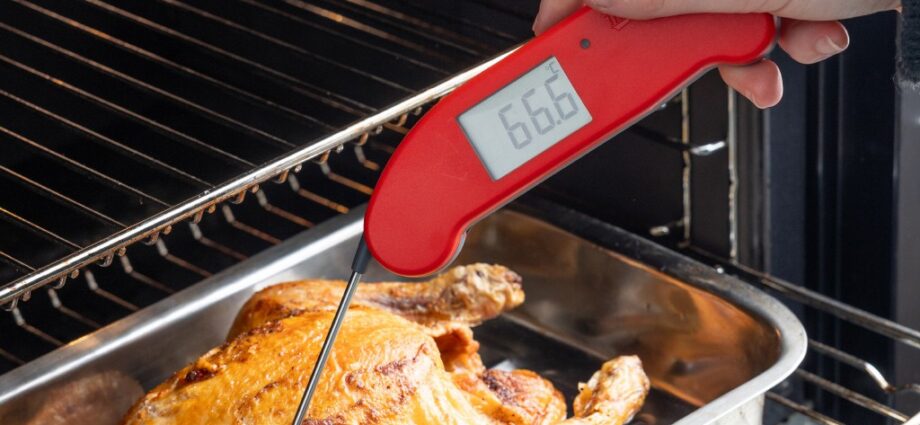
For teams that handle food daily, the goal is simple: keep time in the danger zone as close to zero as possible, and prove it with reliable records.
What is the food temperature “danger zone”?
The danger zone is 40°F to 140°F (4°C to 60°C), where many harmful bacteria multiply quickly. When food sits in this range for too long, the risk of foodborne illness rises, even if the food still looks and smells normal.
Most safety rules focus on limiting how long food can stay in that range, and food safety monitoring software helps verify that controls are working by tracking temperatures and recording checks consistently.
Why is the danger zone risky if food looks fine?
Bacteria and some toxins cannot be seen, smelled, or tasted. That means food can appear “fine” while becoming unsafe, especially with high-risk items like cooked meats, dairy, cooked rice, cut produce, and prepared sauces.
Some pathogens also grow faster in warm conditions typical of busy kitchens and delivery operations, so small delays can compound quickly. You may like to visit https://dofoodsafely.health.vic.gov.au/index.php/en/component/topics/?view=section&id=27 to learn more about “What causes food contamination?”
How long can food stay in the danger zone?
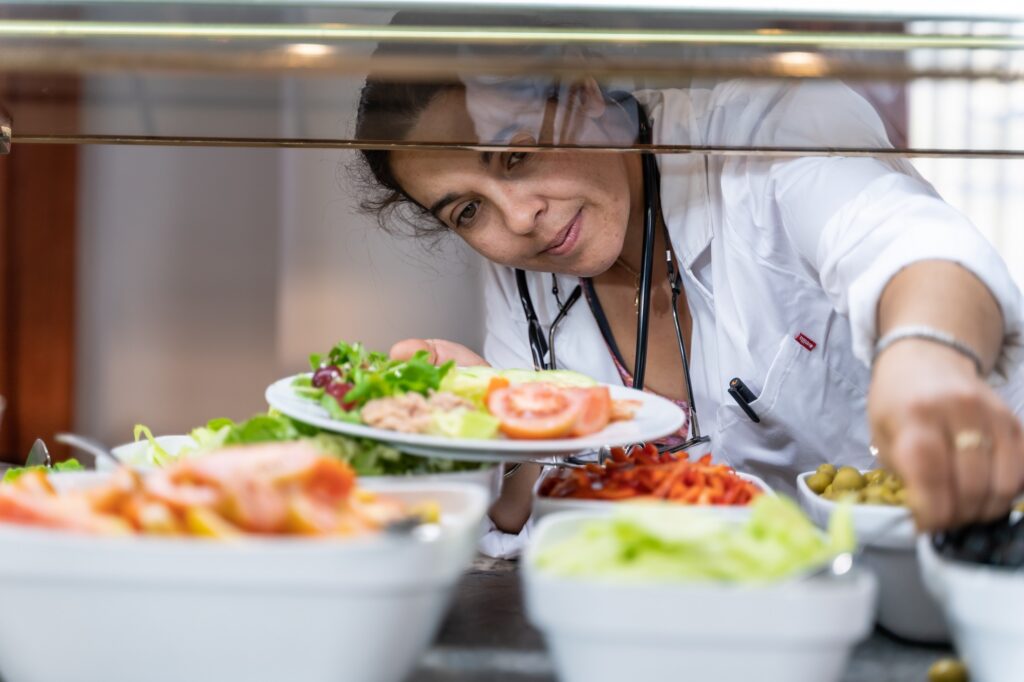
A common rule used in many food safety systems is no more than 2 hours total in the danger zone, and 1 hour if the ambient temperature is very high (for example, hot outdoor service). Policies vary by jurisdiction and process, so teams typically follow local regulations and their HACCP plan.
The practical takeaway is that time matters as much as temperature. A brief exposure may be manageable; repeated exposure across steps often is not.
Where do danger zone breaches usually happen?
Breaches usually happen during transitions, not during stable storage. The most common weak points include:
- Receiving deliveries that are not checked promptly
- Prep batches left at room temperature during peak hours
- Hot holding equipment that drifts below target temperature
- Cooling large containers too slowly
- Reheating that warms unevenly or too slowly
- Transport where insulated gear is missing or misused
These moments are easy to miss because staff are multitasking, and manual checks tend to be inconsistent.
What are the safest temperatures for hot and cold holding?
Cold holding is typically kept at 40°F (4°C) or below to slow bacterial growth. Hot holding is typically kept at 140°F (60°C) or above to prevent growth.
The exact operational targets may be set tighter than the legal minimum to create a buffer, since doors open, pans get swapped, and equipment performance varies.
How can technology reduce danger zone errors in real operations?
Technology reduces breaches by making temperature control automatic, visible, and auditable. Instead of relying on occasional manual readings, teams can monitor continuously, respond faster, and create cleaner compliance records.
The best tools do not replace good process. They reduce the number of “unknowns” and shorten the time between a problem starting and someone fixing it.
How do wireless temperature sensors help prevent breaches?
Wireless sensors can track the temperature of fridges, freezers, hot holding units, and sometimes even product itself in near real time. They help by catching gradual drift, door issues, and equipment failures before food becomes unsafe.
When the system shows trends, managers can see which units struggle during lunch rush, which doors are left open, and which areas need maintenance or retraining.
How do automated alerts stop problems faster than manual logs?
Alerts notify staff when temperatures cross thresholds, so action happens immediately rather than hours later. A text, app push, or dashboard warning can trigger a simple fix, like closing a door, moving product, or adjusting a thermostat.
Manual logs often fail because checks are infrequent, rushed, or recorded after the fact. Alerts reduce the chance that food sits unnoticed in the danger zone.
How can digital checklists and HACCP software improve consistency?
Digital checklists guide staff through required checks at the right times, with prompts, photos, and required fields. They help ensure that receiving temps, cook temps, cooling steps, and sanitation tasks are completed and documented.
HACCP software also makes it easier to review exceptions, sign off corrective actions, and spot repeated failures across shifts or sites.
How does time tracking support safer cooling and reheating?
Cooling and reheating failures are often time failures. Technology can log timestamps and require proof points, such as “from hot to cold within the allowed window,” with checkpoints that prevent staff from skipping steps.
If a batch cools too slowly, a system can flag it early, prompting smaller containers, ice baths, blast chilling, or other corrective methods before the limit is exceeded.
How can smart equipment and IoT controls prevent drift?
Some modern refrigeration and hot holding equipment can report performance data, compressor cycling, and temperature stability. That helps maintenance teams fix issues before a breakdown, and helps operators avoid overload and poor airflow setups.
In more advanced setups, IoT controls can also enforce setpoints and lock critical settings, reducing accidental adjustments by staff.
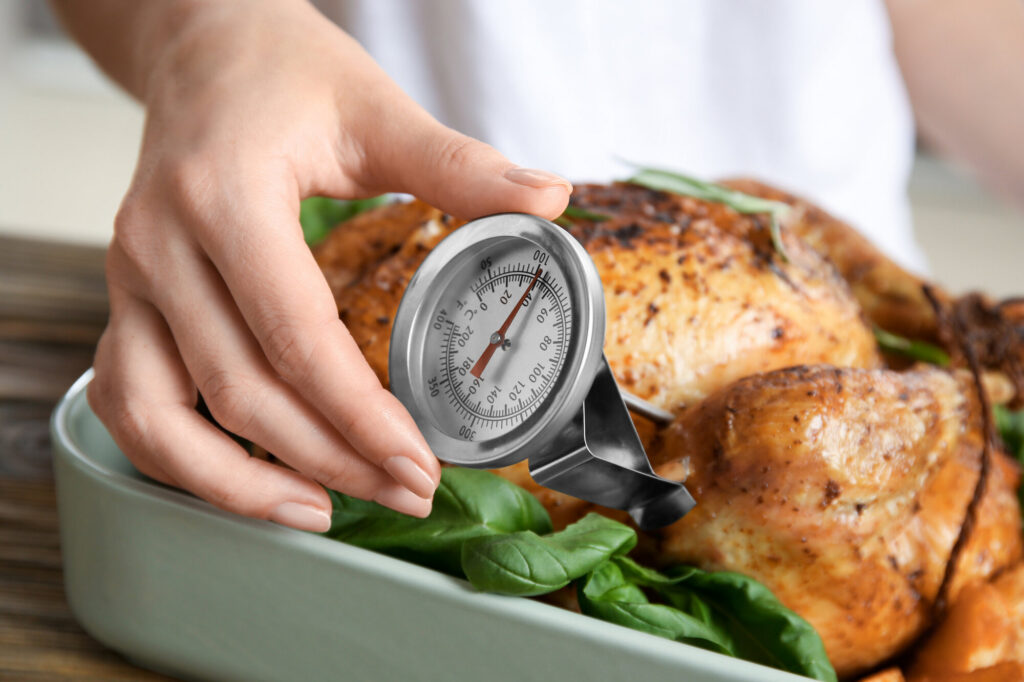
How can food delivery and transport tech keep food out of the danger zone?
Transport is risky because conditions change fast. GPS-linked temperature logging, insulated container sensors, and route visibility help teams confirm that cold items stayed cold and hot items stayed hot during the full trip.
If a route delay occurs, the data can show whether the food remained safe, and managers can decide whether to discard, rework, or proceed based on evidence instead of guessing.
What should teams look for when choosing food safety technology?
They should prioritize tools that make action easier, not just reporting. The most useful systems typically offer:
- Reliable probes or sensors with clear calibration options
- Simple dashboards for staff and managers
- Alerts that escalate if ignored
- Offline-friendly logging for busy environments
- Audit-ready reports with corrective action notes
- Integrations with maintenance or operations systems
If the system is hard to use, staff will work around it, and the risk returns.
How can they combine technology with training to prevent repeat breaches?
Technology works best when it reinforces training with immediate feedback. Teams can use data from alerts and trends to coach specific behaviors, like limiting door-open time, spacing product for airflow, and splitting large batches for faster cooling.
When staff understand the “why” behind the danger zone, the tools become support rather than surveillance, and compliance becomes more consistent across shifts.
Related : How Digital Food Safety Software Simplifies Daily Compliance Tasks
What is the simplest way to reduce danger zone exposure starting today?
They can start by tightening two habits: measure more reliably and respond faster. Even a basic setup of scheduled digital checks plus a few continuous sensors on the highest-risk units can eliminate most “silent” breaches.
Once the biggest gaps are controlled, they can expand monitoring to cooling, transport, and multi-site reporting, building a system that prevents danger zone failures before they reach customers.
FAQs (Frequently Asked Questions)
What is the food temperature ‘danger zone’ and why is it important?
The food temperature ‘danger zone’ refers to the range between 40°F and 140°F (4°C to 60°C), where many harmful bacteria multiply rapidly. Keeping food out of this temperature band is crucial because prolonged exposure increases the risk of foodborne illness, even if the food looks and smells normal.
Why can food be unsafe even if it looks and smells fine within the danger zone?
Bacteria and toxins that cause foodborne illnesses cannot be seen, smelled, or tasted. Therefore, foods like cooked meats, dairy, cooked rice, cut produce, and prepared sauces can appear safe but harbor dangerous pathogens that grow quickly in warm conditions typical of busy kitchens.
How long can food safely remain in the danger zone?
Generally, food should not spend more than 2 hours total in the danger zone. If ambient temperatures are very high, such as during outdoor service, this limit reduces to 1 hour. Limiting time in this range minimizes bacterial growth and potential health risks.
Where do most breaches of the danger zone typically occur during food handling?
Danger zone breaches commonly happen during transitional phases like receiving deliveries without prompt checks, prepping batches left at room temperature, slow cooling of large containers, uneven reheating, hot holding equipment drifting below target temperatures, and transport without proper insulated gear.
What are the recommended safe temperatures for hot and cold holding to prevent bacterial growth?
Cold holding should be maintained at 40°F (4°C) or below to slow bacterial growth. Hot holding should be kept at 140°F (60°C) or above to inhibit bacterial multiplication. Many operations set targets tighter than legal minimums to account for equipment variability and frequent door openings.
How can technology help reduce errors related to the food safety danger zone?
Technology such as wireless temperature sensors and automated alerts enables continuous monitoring of storage units and products in near real-time. This allows staff to detect gradual temperature drifts or equipment failures promptly, respond faster than manual checks allow, maintain reliable records for compliance, and ultimately keep time in the danger zone close to zero.