
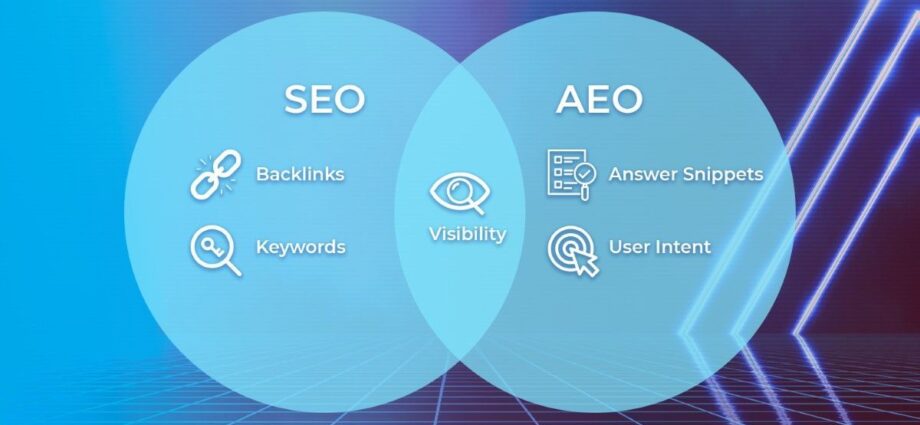
What is a Modern AEO Search Agency and How Does It Differ from Traditional SEO?
A modern AEO search agency specializes in Answer Engine Optimization, which focuses on positioning content to appear in AI-powered answer engines, voice assistants, and featured snippets rather than just ranking on search engine results pages. AEO optimizes for direct, concise responses that AI systems can extract and present to users without requiring a click.
Traditional SEO aims to drive traffic by improving page rankings through keyword optimization and comprehensive content. The primary goal centers on getting users to click through to your website and consume long-form articles. Success metrics revolve around organic traffic volume, keyword positions, and time spent on page.
Modern AEO takes a fundamentally different approach:
- Direct answers over traffic volume: AEO prioritizes providing 40-60 word answers that AI systems can cite, even if users never visit your site
- Featured snippets and zero-click results: Content gets structured specifically to capture position zero and voice search responses
- Conversational query targeting: Optimization focuses on natural language questions people ask voice assistants rather than traditional keyword phrases
- Structured data implementation: Schema markup becomes essential for helping AI understand and extract relevant information
The shift reflects changing search behavior where 58% of queries now use conversational language. Voice assistants handle these queries by reading direct answers aloud, making traditional click-based metrics less relevant. A modern AEO search agency recognizes that brand visibility and authority can grow through AI citations and featured snippets, even when users don’t click through to the website.
This answer engine optimization vs SEO distinction doesn’t mean abandoning traditional tactics. The most effective agencies combine both approaches, using AEO to capture immediate answers while maintaining traditional SEO for deeper content engagement and conversion pathways.
How Do Modern AEO Agencies Optimize Content to Target AI-Powered Answer Engines?
Modern AEO agencies optimize content by structuring information to deliver immediate, precise answers that AI-powered answer engines can easily extract and present. The focus shifts from traditional long-form content to strategic placement of concise responses that satisfy both human readers and machine learning algorithms.
Crafting Direct Answers for AI Extraction
Content optimization for answer engines requires placing clear, definitive responses within the first 100 words of any page targeting a specific query. These answers follow a simple formula: state the answer directly, then expand with supporting details. For example, when addressing “What is schema markup?” the content immediately provides: “Schema markup is structured data code added to websites that helps search engines understand and display content more effectively in search results.”
AI systems and voice assistants prioritize content that:
- Answers questions in 40-60 words for optimal featured snippet length
- Uses simple sentence structures without jargon
- Addresses the query’s intent in the opening statement
- Follows with bullet points or numbered lists for additional context
Implementing Structured Data for Enhanced Visibility
Schema markup serves as the technical foundation for AEO success. Modern agencies implement JSON-LD (JavaScript Object Notation for Linked Data) across strategic content types to communicate directly with search engines about page content, context, and relationships.
The most impactful schema types for answer engines include:
- FAQPage schema for question-and-answer content
- HowTo schema for step-by-step guides
- Article schema with speakable properties for voice search
- Organization schema for brand entity recognition
- Product schema with aggregate ratings and pricing data
A properly implemented FAQ schema transforms standard Q&A content into rich results that appear prominently in search features. When Google’s algorithms scan a page with FAQPage markup, they can instantly identify each question-answer pair and determine relevance for specific queries.
Optimizing Answer Length for Zero-Click Results
The rise of zero-click searches demands a strategic approach to answer length. Structured data helps search engines identify the most relevant 40-60 word segments for featured snippets, but content must be deliberately crafted to align with this requirement.
By understanding the preferences of AI systems and tailoring both on-page copy and structured data accordingly, modern AEO agencies position their clients’ content as authoritative sources that meet user needs directly within search results.
Why Is Targeting Conversational Search Queries Crucial for Driving Higher-Quality Traffic?
Conversational search queries now represent over 58% of all searches, fundamentally changing how users interact with search engines. People ask questions naturally—”What’s the best way to refinance my mortgage?” instead of typing “mortgage refinance tips”—creating opportunities for agencies that optimize for this behavior.
The Voice Search Revolution Changes User Intent
41% of U.S. users engage with voice assistants daily, speaking to their devices as they would to another person. This shift means queries contain more context and specific intent. A user asking Alexa “How do I improve my credit score fast?” expects a direct, actionable answer rather than a list of articles to browse through.
Voice search optimization captures users at critical decision-making moments. Someone asking their phone about local services or immediate solutions demonstrates higher purchase intent than someone casually browsing desktop search results. These users want answers now, making them more likely to convert when they find relevant information.
Conversational Keywords Reveal True User Intent
Traditional keyword research misses the nuances of how people actually speak. Question-based content targets phrases like:
- “Why is my website not ranking?”
- “How long does SEO take to work?”
- “What’s the difference between AEO and SEO?”
- “Can voice search help my local business?”
These conversational keywords contain multiple words (long-tail) and specific context that reveals exactly what users need. A search for “best running shoes” could mean anything, but “what are the best running shoes for flat feet under $100?” shows precise intent.
Implementing a Dual-Keyword Strategy
Modern agencies layer conversational terms alongside traditional keywords. A financial services page might target both “investment strategies” (traditional) and “how should I invest my retirement savings?” (conversational). This approach captures users across different search behaviors and devices.
The strategy involves:
- Identifying question patterns in search console data and keyword tools
- Creating dedicated answer sections that address specific conversational queries
- Structuring content hierarchically with clear H2/H3 headings as questions
- Embedding natural language throughout the content that mirrors how people speak
Quality Traffic
What Content Formats Do Modern AEO Agencies Use to Maximize Engagement?
Modern AEO agencies prioritize specific content formats that AI engines and voice assistants can easily parse and present as direct answers. These formats include:
- FAQs with schema implementation
- How-to guides
- Listicles
- Q&A pages
- Comparison tables
Each format is designed to capture featured snippets and voice responses, providing valuable information to users in a concise manner.
FAQs with Schema Implementation
FAQ sections paired with FAQ schema markup create powerful opportunities for answer engines to extract and display content. A modern AEO search agency implements JSON-LD structured data on service pages, allowing search engines to identify questions and answers within the content structure. This technical enhancement increases the likelihood of appearing in rich results and voice assistant responses.
Service pages benefit most from this approach. A financial advisory firm might include FAQs about retirement planning directly on their services page, with each question-answer pair wrapped in proper schema markup. The structured format signals to AI engines that the content provides authoritative, direct answers to common user queries.
How-To Guides and Listicles
How-to guides structured with clear step-by-step instructions align perfectly with how AI engines parse instructional content. These guides answer specific “how” queries that dominate conversational search patterns. Breaking complex processes into numbered steps (typically 5-10 steps) makes content digestible for both human readers and AI parsing algorithms.
Listicles serve a similar function by organizing information into scannable, numbered formats. “7 Ways to Improve Credit Score” or “5 Best Investment Strategies for Beginners” provide the concise, organized structure that answer engines favor. Each list item should include 40-60 words of explanation—the optimal length for featured snippet extraction.
Real estate agencies using this format might create “10 Steps to Buying Your First Home” with each step containing a brief, actionable description. This structure increases chances of capturing position zero in search results while providing genuine value to users.
Q&A Pages
Dedicated Q&A pages function as comprehensive answer repositories that address multiple related queries on a single topic. These pages work exceptionally well for industries with complex products or services requiring detailed explanations. Each question becomes a potential entry point for organic traffic from different search queries.
The format allows agencies

How Does a Hybrid Strategy Combining AEO with Traditional SEO Enhance Traffic Quality?
A hybrid SEO strategy merges traditional optimization techniques with modern AEO tactics to capture traffic across multiple search touchpoints. Traditional SEO builds domain authority through backlinks, keyword optimization, and comprehensive content, while AEO positions your content as the immediate answer in featured snippets, voice results, and AI citations. This dual approach ensures visibility both in organic listings and answer-focused placements.
Capturing More Valuable Click-Through Opportunities
Click-through rates improve significantly when content appears in featured snippets. Research shows pages holding position zero (featured snippets) can experience CTR increases of 20-30% compared to standard first-position rankings. The snippet preview builds credibility before users click, attracting more qualified visitors who already recognize your content’s relevance to their query.
Traditional SEO drives users to explore deeper content through meta descriptions and title tags optimized for clicks. AEO complements this by capturing attention at the top of search results with concise, authoritative answers. Users who click through from snippets demonstrate higher intent since they’ve already validated your expertise through the preview.
Building Authority in High-Trust Industries
Brand visibility expands exponentially when your content dominates both traditional rankings and answer placements. In finance and real estate sectors, appearing in featured snippets signals authority building that transcends basic rankings. Potential clients searching for mortgage rates or investment strategies see your brand as the trusted source when Google selects your content for direct answers.
High-trust industries benefit from the credibility transfer that occurs when search engines feature your content. A real estate agency appearing in voice search results for “how to calculate closing costs” gains implied endorsement from the platform. Traditional SEO maintains this authority through consistent rankings across related queries, creating multiple brand touchpoints throughout the customer journey.
Maximizing Visibility Across Search Behaviors
Different users exhibit varied search patterns. Some prefer scanning organic results, while others rely on quick answers from snippets or voice assistants. A hybrid approach captures both audiences:
- Traditional SEO serves users who click through to read comprehensive guides and compare multiple sources
- AEO tactics satisfy users seeking immediate answers without additional navigation
- Combined presence reinforces brand recognition regardless of the user’s preferred search behavior
What Technical Factors Are Essential for a Modern AEO Search Agency’s Success?
Technical excellence forms the foundation of effective Answer Engine Optimization. AI-powered search systems and voice assistants prioritize websites that deliver fast, seamless experiences across all devices, making technical optimization non-negotiable for agencies targeting answer engine visibility.
Why Does Page Speed Optimization Matter for Answer Engines?
Page speed optimization directly impacts whether AI systems select your content for featured responses. Answer engines favor websites that load in under 2.5 seconds because they prioritize user experience above all else. Slow-loading pages rarely appear in voice search results or AI-generated answers, regardless of content quality.
Speed improvements require multiple technical interventions:
- Compressing images without sacrificing quality
- Minimizing JavaScript execution time
- Implementing browser caching strategies
- Using content delivery networks (CDNs) for faster asset delivery
- Eliminating render-blocking resources
Financial services websites that reduced load times from 4 seconds to 1.8 seconds saw a 47% increase in featured snippet appearances, demonstrating the direct correlation between speed and answer engine selection.
How Does Mobile-Friendliness Influence AEO Performance?
Mobile-friendliness determines visibility in voice search and mobile AI assistants where most conversational queries originate. With 63% of Google searches now happening on mobile devices, answer engines automatically exclude sites that fail mobile usability tests from consideration for featured responses.
Mobile optimization extends beyond responsive design:
- Touch-friendly navigation elements sized appropriately
- Readable text without zooming (minimum 16px font size)
- Adequate spacing between clickable elements
- Viewport configuration that adapts to screen dimensions
- Elimination of intrusive interstitials that block content
Real estate platforms implementing mobile-first designs experienced 34% higher inclusion rates in voice assistant responses compared to desktop-optimized competitors.
What Role Does Core Web Vitals Compliance Play?
Core Web Vitals compliance serves as a quality signal that AI systems use to evaluate website reliability. Google’s three core metrics—Largest Contentful Paint (LCP), First Input Delay (FID), and Cumulative Layout Shift (CLS)—measure loading performance, interactivity, and visual stability
How Do Modern AEO Agencies Measure Success Beyond Traditional Metrics?
Modern AEO agencies track featured snippet appearances as a primary success indicator. They monitor which queries trigger snippet placements and how often their content occupies position zero. This metric reveals how effectively content answers user questions in the concise format that AI systems prefer. Tools like SEMrush, Ahrefs, and Google Search Console provide featured snippet tracking capabilities that show gains and losses in these valuable placements.
What Role Do Voice Search Mentions Play in Performance Measurement?
Voice search mentions represent a critical but often overlooked metric. Agencies monitor how frequently their content appears in voice assistant responses from Alexa, Google Assistant, and Siri. Specialized tools like AnswerThePublic and voice search simulators help identify which queries trigger voice responses. With 41% of U.S. users engaging with voice assistants daily, tracking these mentions provides insight into conversational search performance that traditional analytics miss.
How Are AI Citations Tracked Across Different Platforms?
AI-powered citation placements require new monitoring approaches. Agencies track mentions in ChatGPT responses, Google’s AI Overviews, Bing Chat, and other AI-generated content. Manual testing combined with emerging AI monitoring tools reveals which content pieces earn citations from these systems. This measurement shows brand authority within AI ecosystems where users increasingly seek information without visiting websites directly.
Which Traditional Metrics Still Matter in AEO Strategies?
Organic traffic metrics remain foundational despite the shift toward zero-click results. Modern agencies examine:
- Total organic sessions and unique visitors
- Pages per session indicating content depth engagement
- Bounce rates on answer-focused pages
- Conversion rates from organic search traffic
- Time on page for content containing direct answers
These traditional measurements provide context for understanding how AEO efforts influence user behavior after initial answer delivery.
How Do Agencies Balance Old and New Performance Indicators?
A comprehensive measurement framework combines both metric types into unified reporting. Agencies create custom dashboards showing:
- Visibility metrics: Featured snippet count, voice search appearances, AI citations
- Engagement metrics: Click-through rates from snippets, scroll depth on answer pages
- Business metrics: Qualified leads, conversion rates, revenue attribution
This approach reflects the essence of Answer Engine Optimization (AEO), a strategy that not only focuses on improving visibility but also enhances user engagement and drives business results.

Why Is Adapting to AI Trends Critical for Driving Higher-Quality Organic Traffic?
AI-driven search trends are fundamentally reshaping how users discover information, making adaptation essential for maintaining competitive organic visibility. Search engines now prioritize direct, helpful answers delivered through AI-generated overviews, requiring agencies to optimize for these new formats or risk becoming invisible to their target audiences.
How Are AI Models Like ChatGPT Changing User Search Behavior?
The ChatGPT impact on search extends beyond conversational AI platforms themselves—users now expect instant, comprehensive answers regardless of where they search. People have learned to phrase queries as natural questions rather than keyword strings, anticipating that AI systems will understand context and intent. This behavioral shift means traditional keyword-focused content often fails to capture these evolved search patterns.
Users increasingly bypass traditional search result pages entirely when AI tools provide satisfactory answers. This creates a challenge for brands relying solely on conventional SEO tactics that prioritize click-through rates. A modern aeo search agency addresses this by optimizing content to appear within AI-generated responses, ensuring brand visibility even in zero-click scenarios.
What Role Does Google’s AI Prioritization Play in Content Strategy?
Google’s AI prioritization manifests through Search Generative Experience (SGE) and AI Overviews, which display synthesized answers above traditional organic results. These features pull information from sources that provide clear, structured, authoritative answers—exactly what AEO optimization delivers. Content that answers specific questions concisely gains preference in these AI-generated summaries.
The search giant’s algorithms now evaluate whether content genuinely helps users or merely targets keywords. Pages offering immediate value through direct answers, proper schema markup, and logical information architecture rank higher in both traditional results and AI-powered features. This dual benefit makes AEO integration non-negotiable for quality traffic acquisition.
Why Must Agencies Adapt Their Strategies for AI-Dominant Search?
The competitive landscape has shifted dramatically as AI systems become primary gatekeepers of information discovery. Agencies maintaining outdated approaches watch their clients’ visibility erode as competitors implement AEO strategies. How a modern aeo search agency drives higher-quality organic traffic depends on recognizing that search optimization now requires satisfying both human users and AI interpretation systems simultaneously.
Related : 7 Reasons Why Umbraco CMS is the Future of Content Management